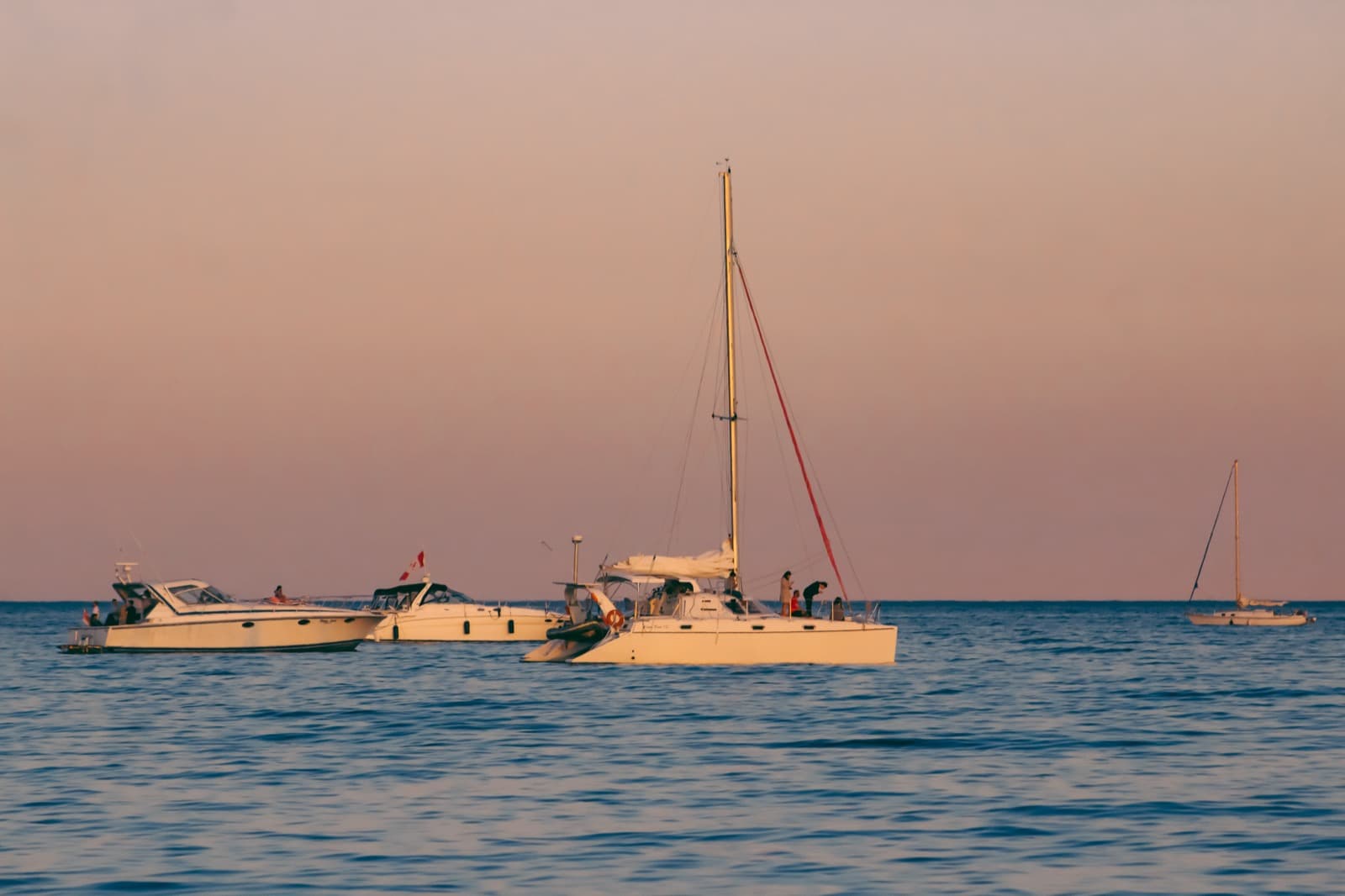
As the amber maples along Lake Shore Blvd begin to shed their leaves, Toronto's waterfront transforms into a boater's autumn paradise—though one that demands respect for rapidly changing conditions. The stretch from the Harbourfront to the Outer Harbour sees dramatically reduced traffic after Labour Day, making it an ideal time for seasoned skippers to enjoy crisp morning cruises past the Toronto Islands before the first gales of November arrive. However, this window of opportunity comes with shrinking margins: daylight hours shorten, water temperatures plummet, and the same thermal winds that offer spectacular sailing can turn treacherous without warning. Smart boaters monitor Canadian Coast Guard notices and Toronto Harbour Commission advisories closely, as autumn is also when maintenance dredging and infrastructure work accelerates in preparation for winter layup.
Winterizing your vessel properly begins with understanding Toronto's unique freshwater challenges, where freeze-thaw cycles can devastate unprepared systems. The Ashbridges Bay Yacht Club (ABYC) recommends a methodical approach starting no later than mid-October: first, stabilize fuel with enzyme treatments to prevent ethanol separation, then drain and flush all raw water systems including engines, heads, and air conditioning units with non-toxic propylene glycol antifreeze rated for -50°C. Don't overlook the battery bank—remove it entirely to a trickle charger in a heated garage, as the uninsulated sheds at many local marinas offer little protection during January's deep freezes. For those keeping boats in the water at Outer Harbour Marina, bubbler systems must be inspected and positioned correctly; the narrow fairways between Tommy Thompson Park's breakwall and the mainland create unusual ice formation patterns that can crush hulls or sever dock lines when wind shifts.
Ramp access becomes the critical bottleneck as autumn progresses, with Toronto Parks and Recreation operating on a predictable but often frustrating closure cycle. The public launch at Woodbine, popular with trailer boaters targeting late-season salmon runs, typically closes the third weekend of October—though exact dates shift yearly based on municipal budgets and staffing. Cherry Beach's informal launch sees reduced maintenance and may become unusable after heavy fall rains wash gravel into the channel. Your best bet for extended-season access remains the two-lane concrete ramp at the Outer Harbour, which generally stays open until the first significant ice appears, sometimes stretching into early December during mild years. Call 311 to confirm current status, and always have a backup plan: the marinas along the Keating Channel and the Toronto Islands offer haulout services by appointment through mid-November, but slots disappear quickly. Remember that once the snow flies, even a routine drive down Lake Shore Blvd with a trailer becomes hazardous—winterize early, or risk becoming that unfortunate boater blocking the ramp on the season's last desperate day.